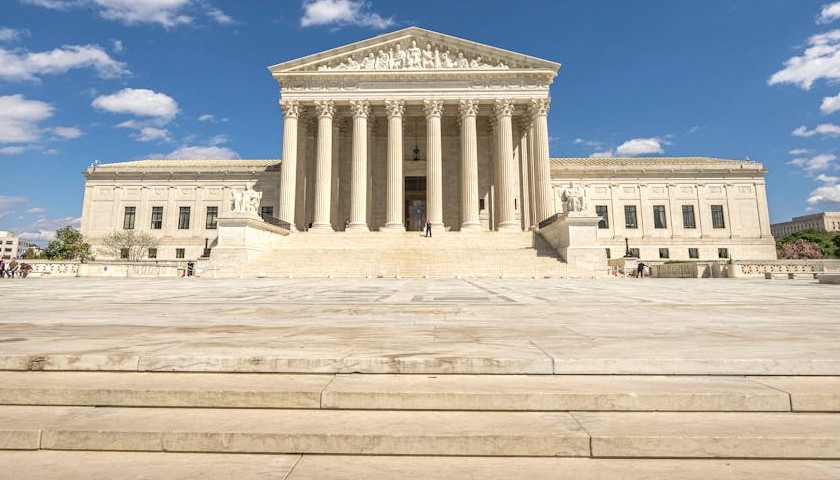
In the fourth and final decision issued today, the U.S. Supreme Court ruled in Mullin v. Doe, a case concerning whether the Administration may terminate Temporary Protected Status (TPS) designations.
The case originated when the Department of Homeland Security, under Secretary Markwayne Mullin, moved to terminate TPS designations for Syria and Haiti in 2025, citing improved country conditions and the administration’s broader policy of ending designations that had come up for renewal. TPS beneficiaries from both countries, proceeding under pseudonyms as “Doe” plaintiffs, filed class-action lawsuits in federal district courts, successfully obtaining preliminary injunctions that blocked the terminations. Lower courts found the agency’s decisions procedurally flawed and subject to judicial review under the Administrative Procedure Act.
The government appealed directly to the Supreme Court, which granted certiorari before judgment, consolidated the Syrian and Haitian challenges, and expedited briefing and argument.
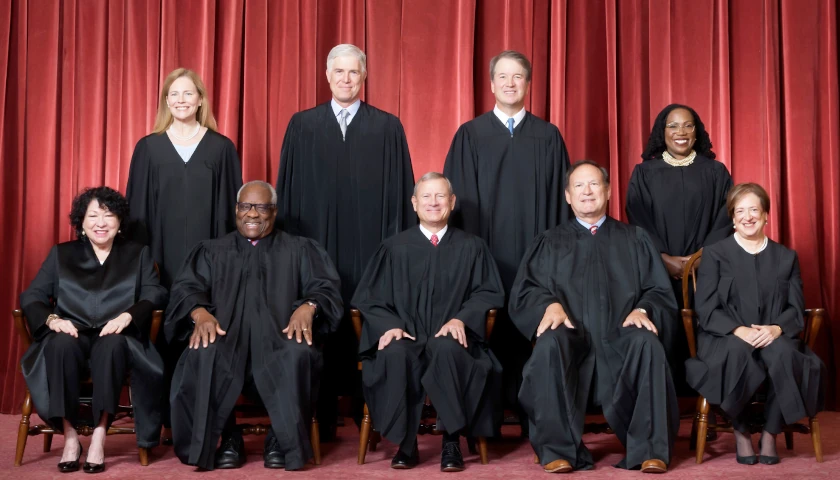
In a majority opinion authored by Justice Samuel Alito, the Court held that the challengers — TPS beneficiaries from Syria and Haiti — were not entitled to interim relief blocking the termination of their TPS designations.
The Court concluded that the TPS statute limits judicial review of non-constitutional claims and prevents courts from second-guessing the agency’s TPS termination decisions on those grounds.
In a detailed analysis of 8 U.S.C. § 1254a(b)(5)(A), the majority explained that the provision’s bar on judicial review of the Secretary’s “determination” encompasses not only the ultimate decision to terminate TPS but also the underlying consultation process with the State Department and any related factual findings about conditions in the designated countries.
The Court rejected the challengers’ arguments that courts could nonetheless scrutinize the adequacy of that consultation or second-guess the weight the agency gave to country-condition reports, emphasizing that such inquiries would effectively convert a discretionary executive judgment into a judicially supervised one.
Justice Alito further noted that the respondents’ equal-protection claim — that the termination of Haiti’s designation was racially motivated — was unlikely to succeed, pointing to the administration’s race-neutral policy of terminating every TPS designation that had come up for renewal.
Justice Thomas filed a concurring opinion. Justice Kagan filed a dissenting opinion, joined by Justices Sotomayor and Jackson.
The decision represents a significant victory for the government concerning TPS terminations and the scope of judicial review in immigration matters.
– – –
Written by the staff reporters at Just the News. Executive Editor of The Tennessee Star and The Star News Network Christina Botteri contributed to this report.